Fermentation #7 – Korean Chili Peppers

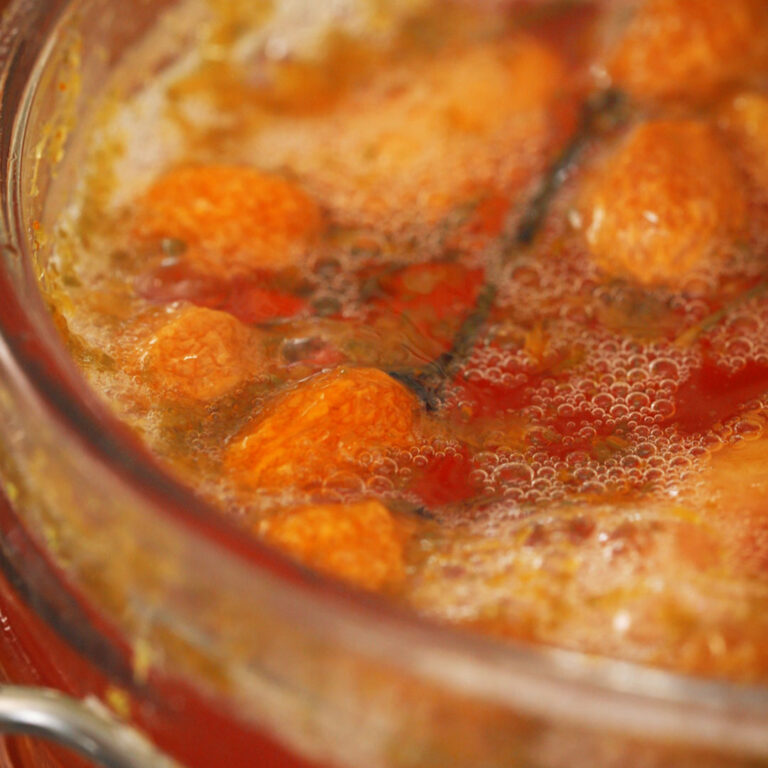
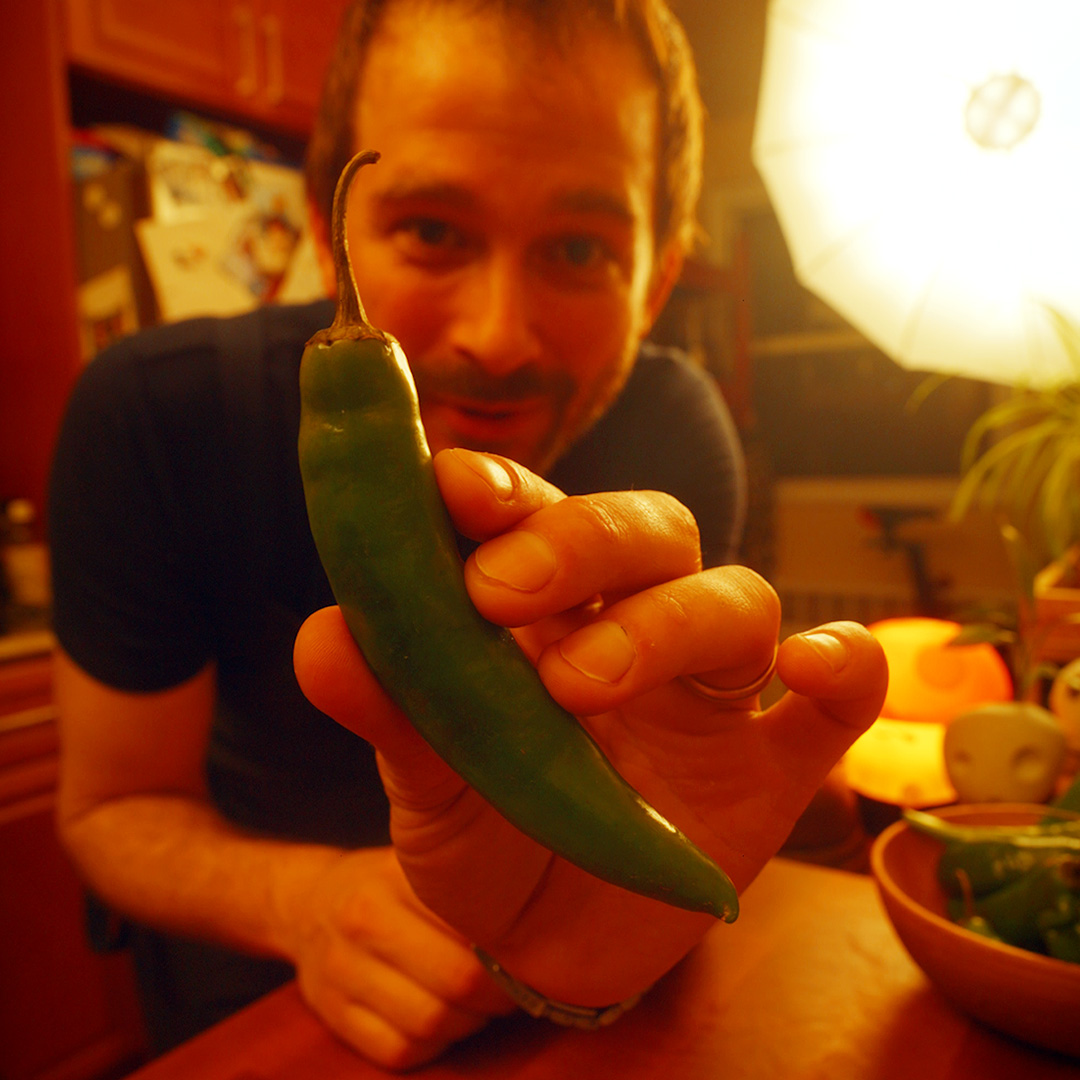
I had some left over Korean chili peppers from a shoot I did with Lead Cohen a couple of months back and ended up fermenting them!
For this recipe, I’m using this nifty fermentation vessel I bought from @crazykoreancooking years ago. It’s great because it has a pressure seal layer inside of it that keeps everything nicely submerged. It’s been a while but I believe this is the particular size and model I am using.
This recipe and video were kind of forgotten and am happy that I stumbled back upon them to share with you!
I always say this with fermentation, but you can really use any herb or spice that you like and can even use more acidic ingredients like lemon peels or ingredients like fresh grated ginger. Go wild, have fun and try different things.
Also, my ‘Spring Quarterly Magazine’ has a whole section on Fermentation that goes a bit more in depth, along with 2 more simple ferments that you can make if interested.
Cheers,
Joey
Youtube Video:
More recipes and videos on my Youtube HERE
Full Recipe:
Ingredients
Method
- Place your fermentation vessel on a kitchen scale and zero out the weight. Combine peppers, peppercorns, coriander, and bay leaves into your fermentation vessel. Fill the vessel with water, covering all of the ingredients. Leave 1-2 inches of space at the top for the fermentation weight if using, and also for the pressure build up.
- Add 3% salt by weight. Meaning, if the weight of all of the ingredients in the step above is 2000 grams, you would add 60 grams of salt to the vessel. Close the vessel and move it around to dissolve all of the salt.
- Once dissolved, open the vessel and use a fermentation weight or even just a piece of paper towel over the surface of the mixture to ensure that everything is submerged in liquid before sealing.
- Place the vessel in a darker area out of any direct sunlight and allow 3-6 days to ferment. Make sure to check on it at least once per day (ideally twice) to relieve any pressure build up (if not using a pressure airlock). This pressure build up also indicates that fermentation is fully taking place.