
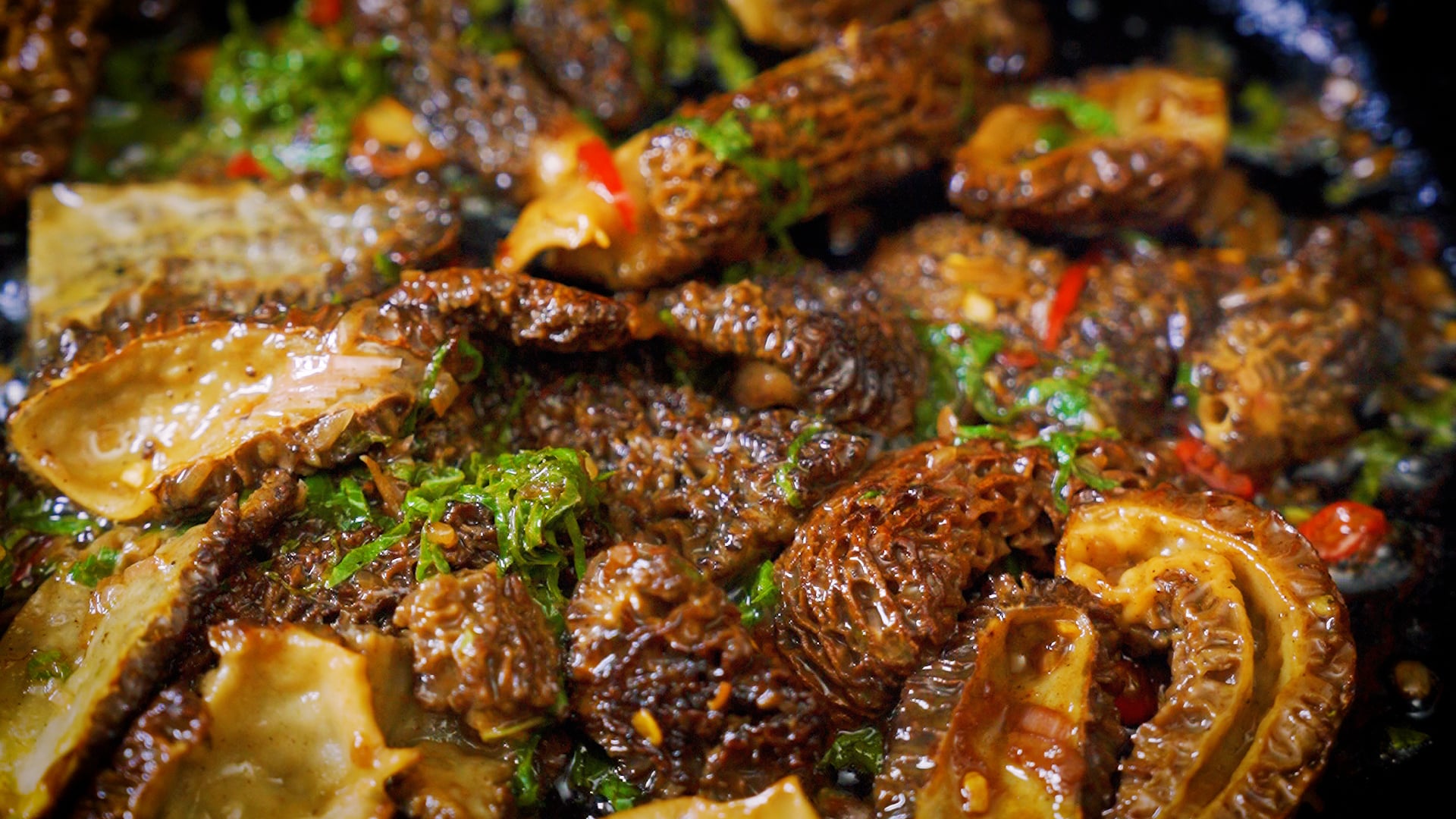
How to Cook Morel Mushrooms: A Complete Guide
Whether you’re a morel newbie who just spotted them at the farmers market, or a forager who’s been eagerly waiting all winter — this is the morel cooking guide to start with.
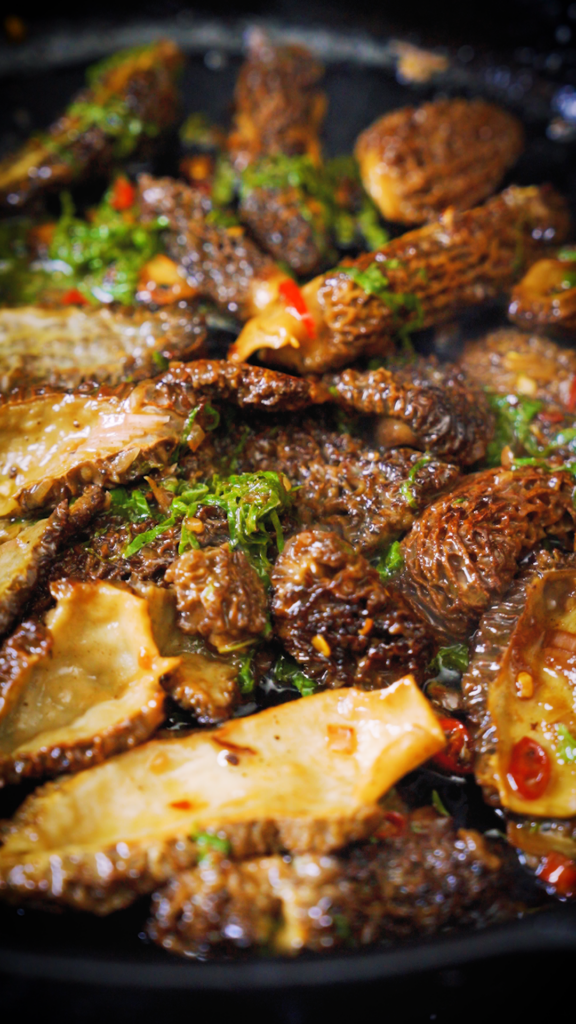
If you’ve ever spotted morel mushrooms at a farmers market and thought “what on earth IS that?” — welcome. These odd, cavernous, tree-shaped fungi look like something out of a fantasy novel, and they taste just as magical as they look. Morels are rare, seasonal, and worth every penny.
I spent years missing their season by a hair. And then one spring, I finally got my hands on them, sautéed them in some butter, and immediately understood why people lose their minds over these things.
This guide will walk you through everything you need to know: what morels are, when to find them, how to clean and cook them properly, and my go-to recipe that I would genuinely eat every single week if I could.
Disclosure: This post may contain affiliate links that provide us with a small commission when used for purchase. We’re grateful for your support!
Morel Mushroom 101
What are morel mushrooms?
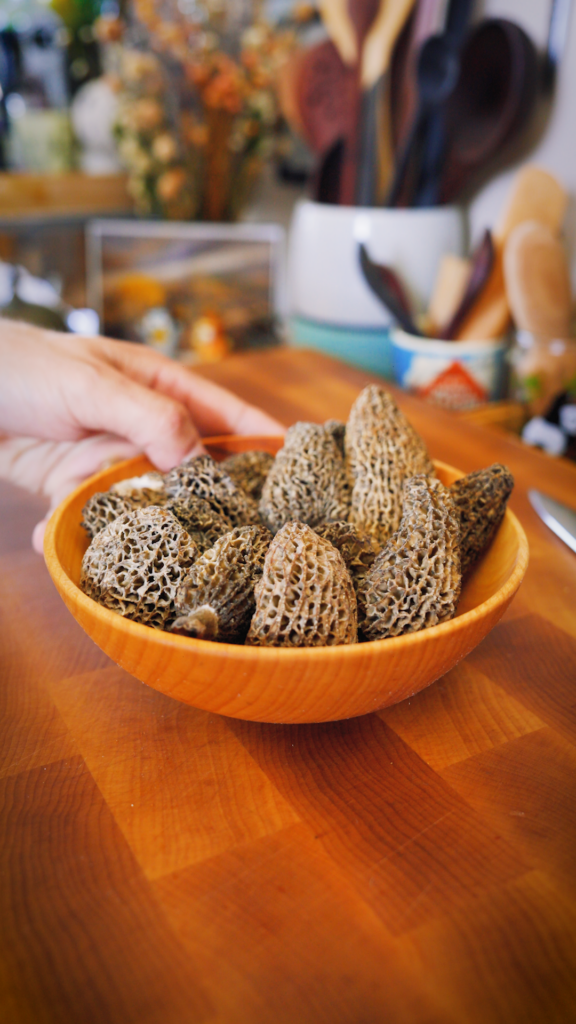
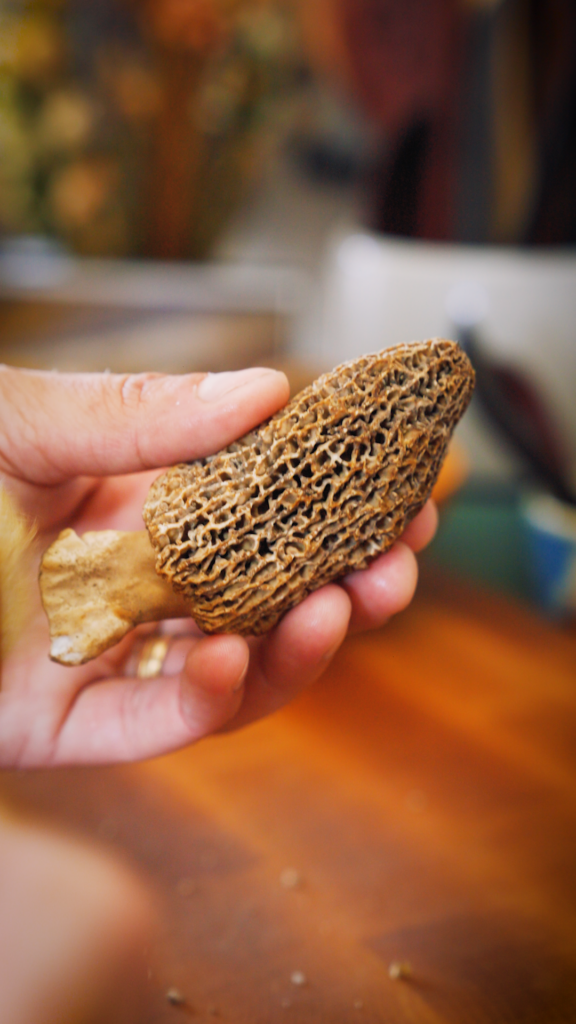
Morel mushrooms are a wild, foraged fungi with a look unlike anything else in the produce aisle. They have a honeycomb-like cap — almost like a tiny spongy tree — and a hollow stem. They grow in wooded areas across North America and Europe and cannot be farmed. That means three things:
- One: every morel you eat was found in the wild, not grown in a greenhouse.
- Two: they have a flavor and texture that cultivated mushrooms simply can’t replicate.
- And three: they can be a bit pricey. But context matters — compared to a good steak or a bottle of wine you’ll finish in one evening, morels are a luxury that hold their own.
If you happen to live near wooded areas you might be able to forage them yourself, which makes them completely free and infinitely more satisfying. For more information on how to forage morel mushrooms, head on over to Forager Chef.
What do morel mushrooms taste like?
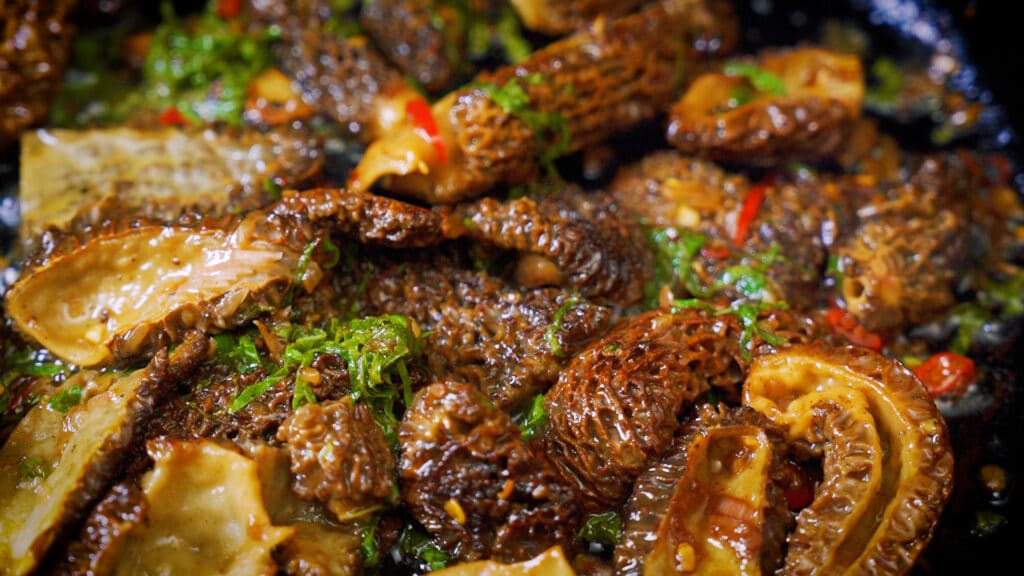
Morels have a deep, earthy, nutty flavor that sets them apart from your average cremini or shiitake. There’s also a slight woodsiness to them — which makes sense, given where they live. Their texture is meaty and slightly chewy, but not rubbery. When cooked properly (more on that below), they become tender with lightly crisp edges.
When are morel mushrooms in season?
Here’s where things get bittersweet. Morel season is short — generally spanning a few weeks in spring, typically March through May depending on your region and climate. They pop up after the first warm rains.
If you’re sourcing them fresh, check your local farmers’ markets starting in early spring, and don’t hesitate when you see them. Dried morels are available year-round and are a solid substitute — just rehydrate them in warm water for 20–30 minutes before cooking.
The best way to cook morel mushrooms
Select, clean, and slice morels
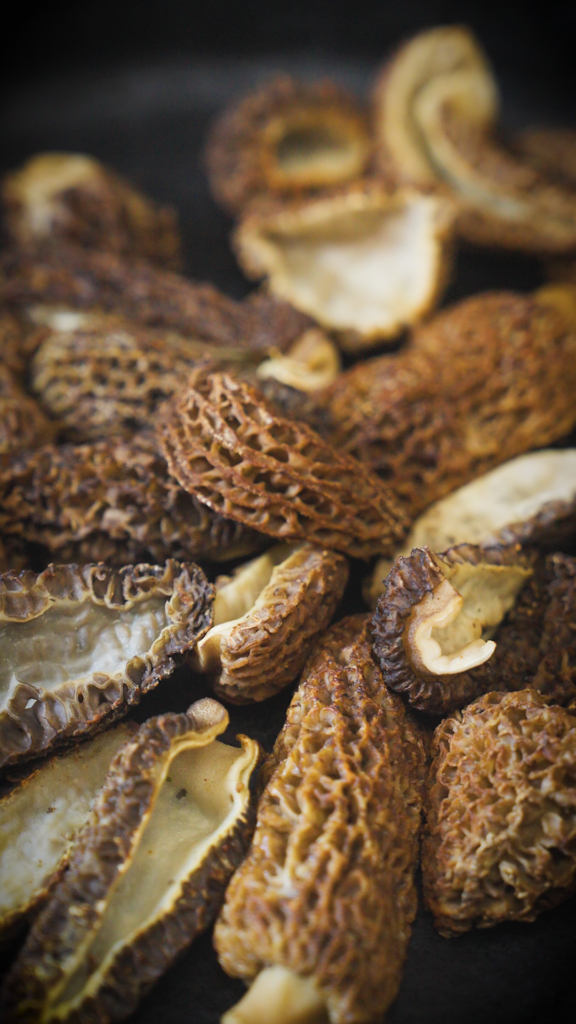
How to select
When buying (or picking) morels, go for smaller, drier, firmer ones. Larger and older morels tend to get mushy and can mold quickly — not ideal if you’re not cooking them right away.
How to clean
Since morels are foraged, you may run into some dirt or the occasional small critter hiding in those little caverns. Don’t fret — it means they’re the real deal. Here are three ways to clean them:
- Saltwater soak. Some swear by this to flush out hidden guests. The downside: it can make the morels limp, which is the opposite of what you want.
- Cold water rinse. A quick rinse under running water, followed by a pat dry with paper towels. Simple and effective.
- Brush and tweezers. My preferred method. Lightly brush with a produce brush and use tweezers for anything stubborn. This keeps them dry, which matters a lot for cooking.
How to slice
Cut them in half lengthwise — this exposes the hollow interior and maximizes surface area for browning. Really small morels can be left whole; save the halving for larger ones. Just make sure they’re roughly the same size for even cooking.
Cook morels in a dry skillet
This technique works for almost any mushroom, but it’s especially important with morels: dry sauté first, add fat second.
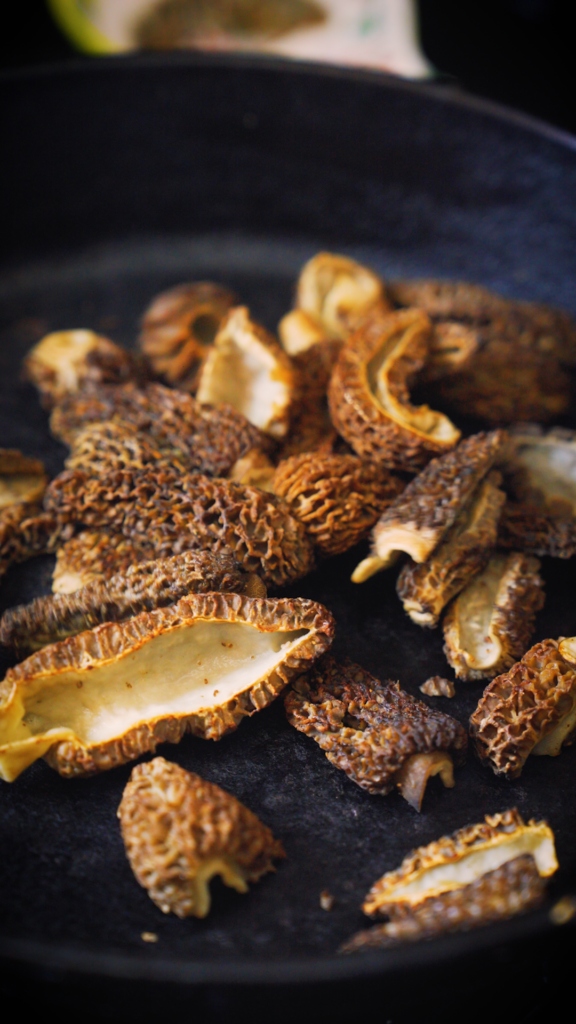
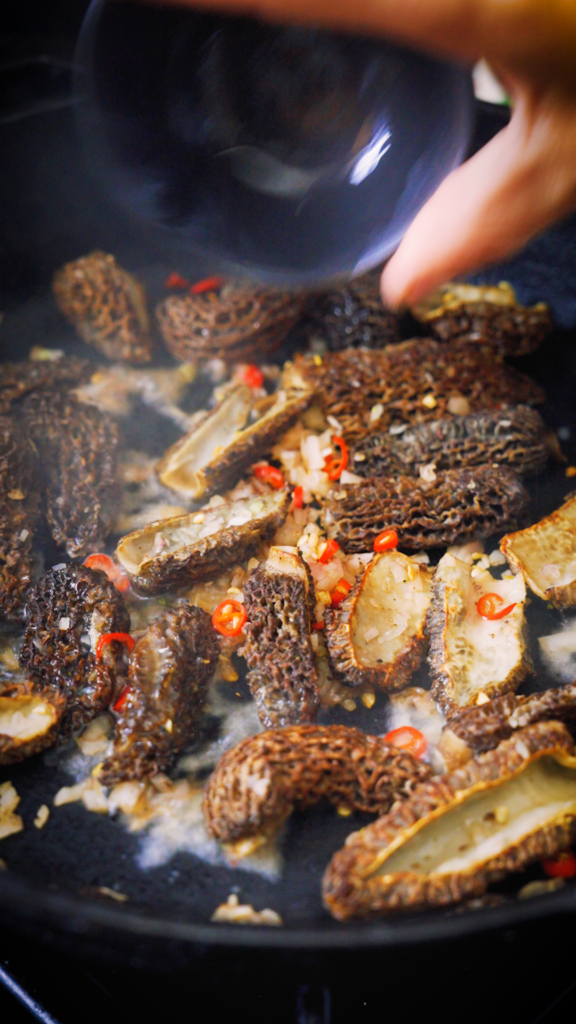
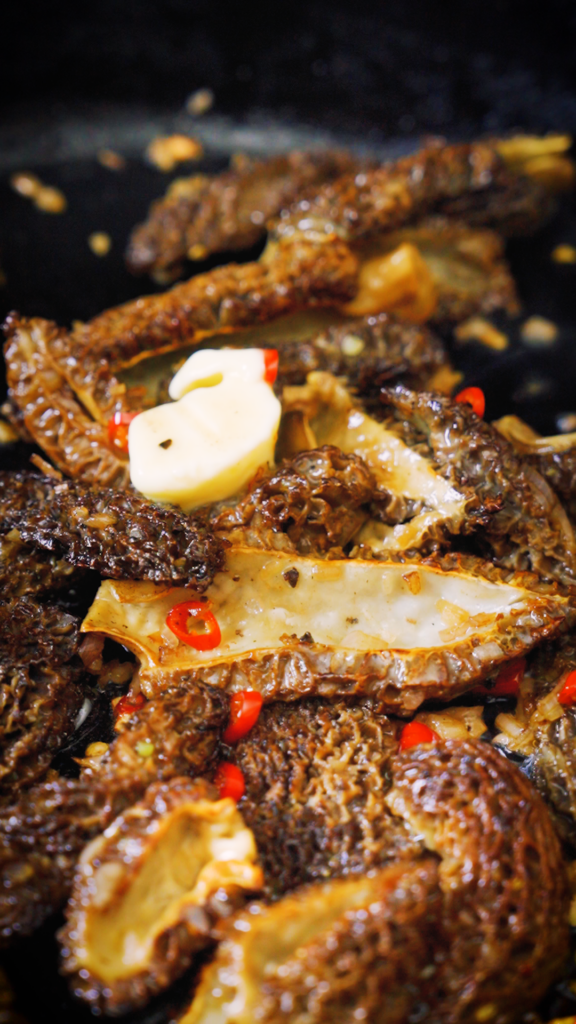
Heat a cast iron skillet — ideal for even heat and a better sear — over medium-high and add your morels with nothing else in the pan. Cook for 10–15 minutes, stirring occasionally, until all the moisture has evaporated and they’re deeply browned. A stainless steel pan works too — just make sure it’s properly preheated before the mushrooms go in.
This step concentrates their flavor. It’s the difference between a mushroom that tastes watery and one that tastes like it belongs on a restaurant menu.
A simple formula for flavoring morels
Morels have a deep, nutty, woodsy flavor, so they don’t need much — but they do love a little structure. Once the morels are browned, you can build flavor using this formula:
Aromatics + fat + a splash of deglazing liquid + something salty/umami + something bright + fresh herbs
In my Morel Toast with Lemon, Shiso, & Chilis, that looks like:
- Aromatics: shallot
- Fat: butter
- Liquid: sake or white wine
- Salty/Umami: soy sauce
- Brightness: lemon
- Fresh Herbs: shiso
Below are some variations that follow this framework, but feel free to get creative with your own flavors!
Variations
Miso Butter Morels
- Aromatics: scallions
- Fat: butter
- Liquid: sake or white wine
- Salty/Umami: white miso
- Brightness: lemon or rice vinegar
- Fresh Herbs: cilantro or scallion greens
Garlicky Morels
- Aromatics: garlic
- Fat: butter or olive oil
- Liquid: white wine
- Salty/Umami: Parmesan or a splash of stock
- Brightness: lemon juice
- Fresh Herbs: parsley or chives
Creamy French-Style Morels
- Aromatics: shallot
- Fat: butter
- Liquid: dry sherry or white wine
- Salty/Umami: stock or a little Dijon
- Brightness: lemon juice
- Fresh Herbs: thyme or parsley
- Creamy: heavy cream or crème fraîche
Soy-Ginger Morels
- Fresh Herbs: cilantro, shiso, or Thai basil
- Aromatics: ginger + garlic
- Fat: neutral oil or butter
- Liquid: sake or Shaoxing wine
- Salty/Umami: soy sauce or tamari
- Brightness: rice vinegar or lime
Frequently Asked Questions
I’m sure you can, but I have not tried this method. If you do let me know!
Hard no. Morels contain a compound that’s only neutralized through cooking — raw or undercooked morels can cause stomach issues.
Let them cool completely, then transfer to an airtight container and refrigerate for up to 3 days. When reheating, skip the microwave — a quick toss in a hot skillet will revive their texture far better. Worth noting: morels are really at their best fresh out of the pan, so if you can, cook only what you need.
More Mushroom Recipes
- Braised Chicken, Corn and Cabbage with Beech Mushrooms
- Lion’s Mane Mushroom Steaks over Polenta with Savory Pan Sauce
- Dry Roasted Matsutake Mushrooms with Soy & Mirin Glaze over Rice
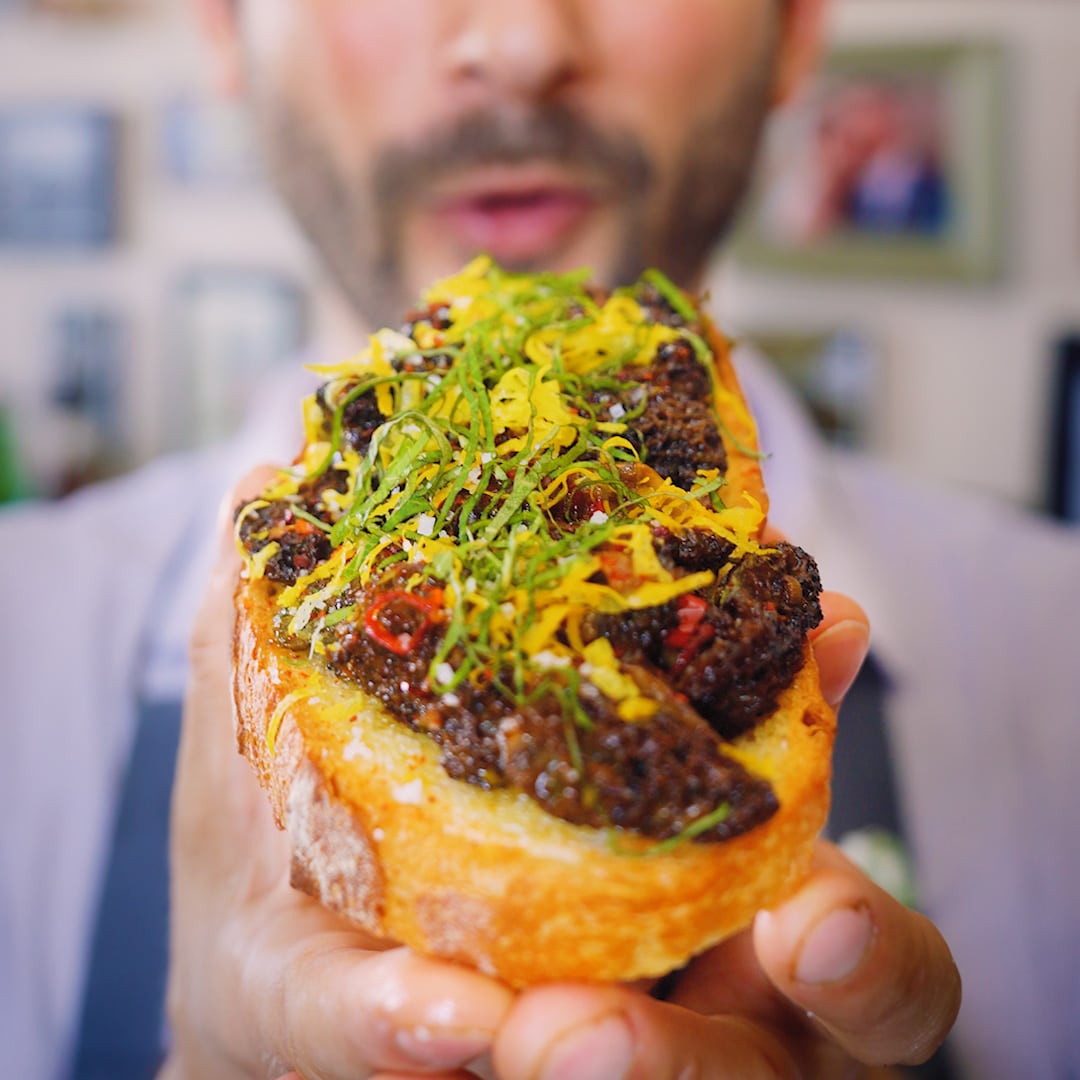
Morel Mushroom Toast with Lemon, Shiso, and Chili
Ingredients
Equipment
Method
- Prep the morels and aromatics. Clean the morels thoroughly, checking inside their honeycomb-like ridges for any grit or bugs (see Note 3). Trim off any tough stems if needed and halve the morels lengthwise. Zest the lemon, mince the shallot, slice the Thai chiles, and thinly slice the shiso.
- Cook the morels until deeply browned. Heat a cast-iron skillet over medium-high heat. Add the morels to the dry pan and cook, stirring occasionally, until they release their moisture, the liquid evaporates, and the mushrooms start to brown around the edges, 10 to 15 minutes. They should look darker, slightly crisp in spots, and smell deeply earthy and savory.
- Add the aromatics. Add the minced shallot and Thai chiles to the skillet and cook, stirring frequently, until the shallot softens, about 1 minute. Turn down the heat if the shallot browns too quickly.
- Make the pan sauce. Reduce the heat to medium-low and pour in the sake, scraping up any browned bits from the bottom of the skillet. Let it bubble for 30 seconds to 1 minute, just long enough to slightly reduce. Add the butter and soy sauce, stirring until the butter melts and the mixture turns glossy and emulsified
- Finish the morels. Stir in the lemon juice and minced shiso, then taste before seasoning with salt and pepper. Taste, adding more salt for flavor or more lemon juice for brightness.
- Toast the bread. Brush both sides of the bread with olive oil, then toast until golden, crisp at the edges. You can do this in a skillet, toaster oven, or under the broiler, depending on what’s easiest.
- Assemble and serve. Spoon the morels and their glossy pan sauce over the toast. Finish with a sprinkle of red pepper flakes, lemon zest, more minced shiso, and a light pinch of fleur de sel.
Nutrition
Video
Notes
- Thai chiles vary in spice level, so start with ½ or 1 if you’re sensitive to heat. Increase to 2 chilis if you like it picante!
- If using dried morels, rehydrate them in warm water for 20 to 30 minutes, then lift them out of the soaking liquid to avoid any grit at the bottom of the bowl. Squeeze out excess water and pat dry before cooking.
- Morels are hollow, which means you can hold them up to a light source and see through them. This helps you catch any hidden grit or bugs inside. You can brush off the dirt, or if they’re very dirty, rinse them briefly under cold water, then dry them extremely well with a clean kitchen towel or paper towels before cooking.
Tried this recipe?
Let us know how it was!Haha, oh no! Def can adjust the spice level to taste (or try a less spicy chili crisp). Not sure…
It’s really nice and soft! I like Tonnino brand.
This was delicious BUT not only was it incredibly spicy( I had tears) but took about a sinkful of dishes…
I have never tried tuna ventresca. May I ask what brand you buy/recommend? I want to make this salad, but…
This was SO GOOD! Prepped all the components on Sunday and assembled the salad fresh for lunch. Great WFH lunch…


Leave a Reply